

What Is Al Hamichya? When to Say It and Why People Keep the Text Handy
If you are searching Al Hamichya, it usually means one of two things. You just finished cake or crackers and want to know if this is the bracha acharona you need. Or you want the text nearby because nobody ever seems to have it when the meal is over.
Short answer: Al Hamichya is the after-bracha said after many mezonos foods when the meal did not count as bread.
What Al Hamichya is
Al Hamichya is the bracha acharona for foods made from the five grains when they were eaten in mezonos form rather than as bread. Think cake, cookies, crackers, pastries, and similar foods. It is not the same as Birchas Hamazon, which is what you say after a bread meal.
That split is why people search both terms so often. They know there is an after-bracha. They are just not always sure which one fits the food they ate.
When do you say Al Hamichya?
You say Al Hamichya after mezonos foods when they did not become a bread meal. If the meal centered around bread, you move over to Birchas Hamazon instead. If you are dealing with edge cases or mixed foods, ask your rav. This page is here to make the usual everyday cases clear.
Why people keep the text visible
Most Al Hamichya moments are not formal. Coffee and cake. After-school snack. Quick breakfast. Guests at a kiddush. That is exactly why the text goes missing so often. A visible sign fixes the practical problem fast.
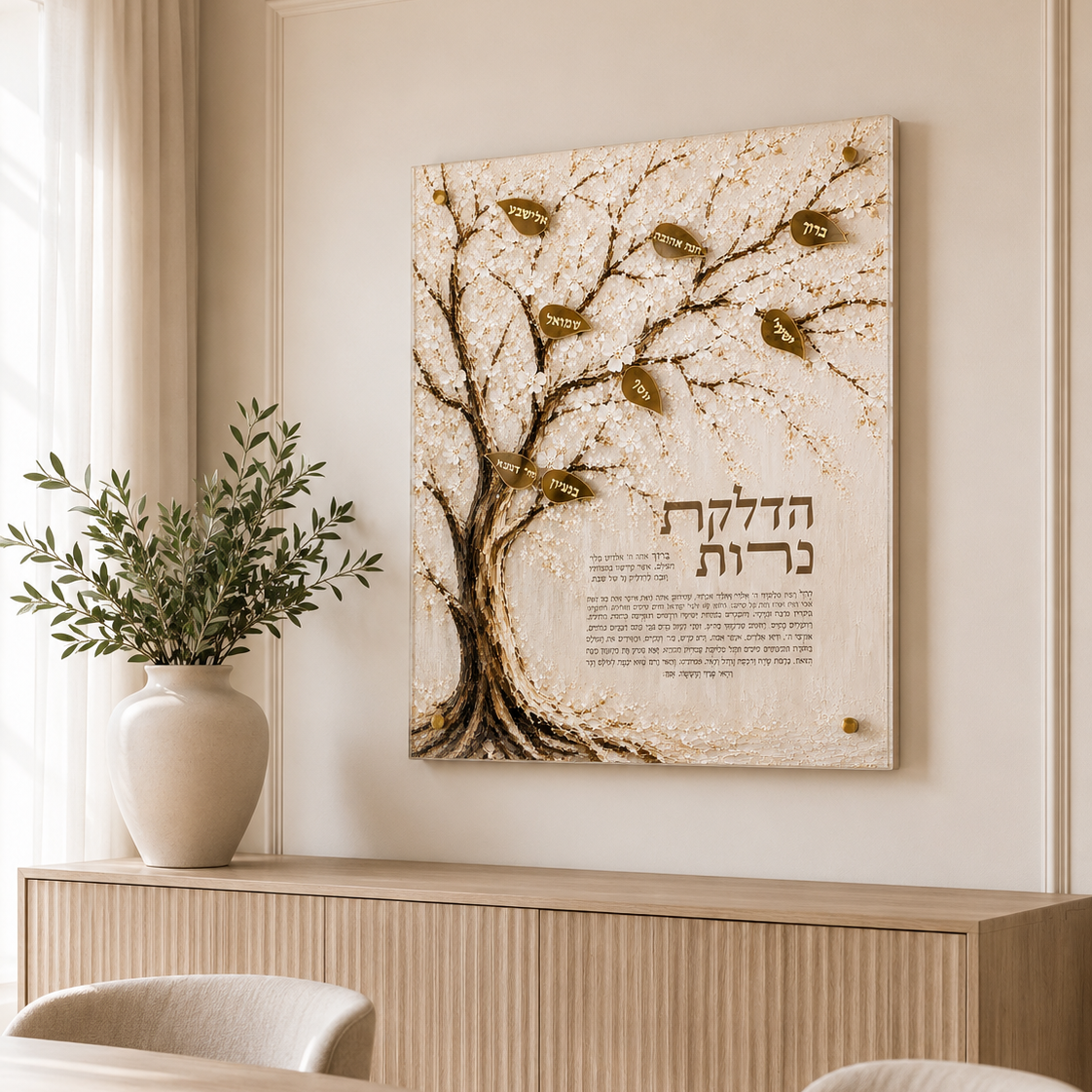
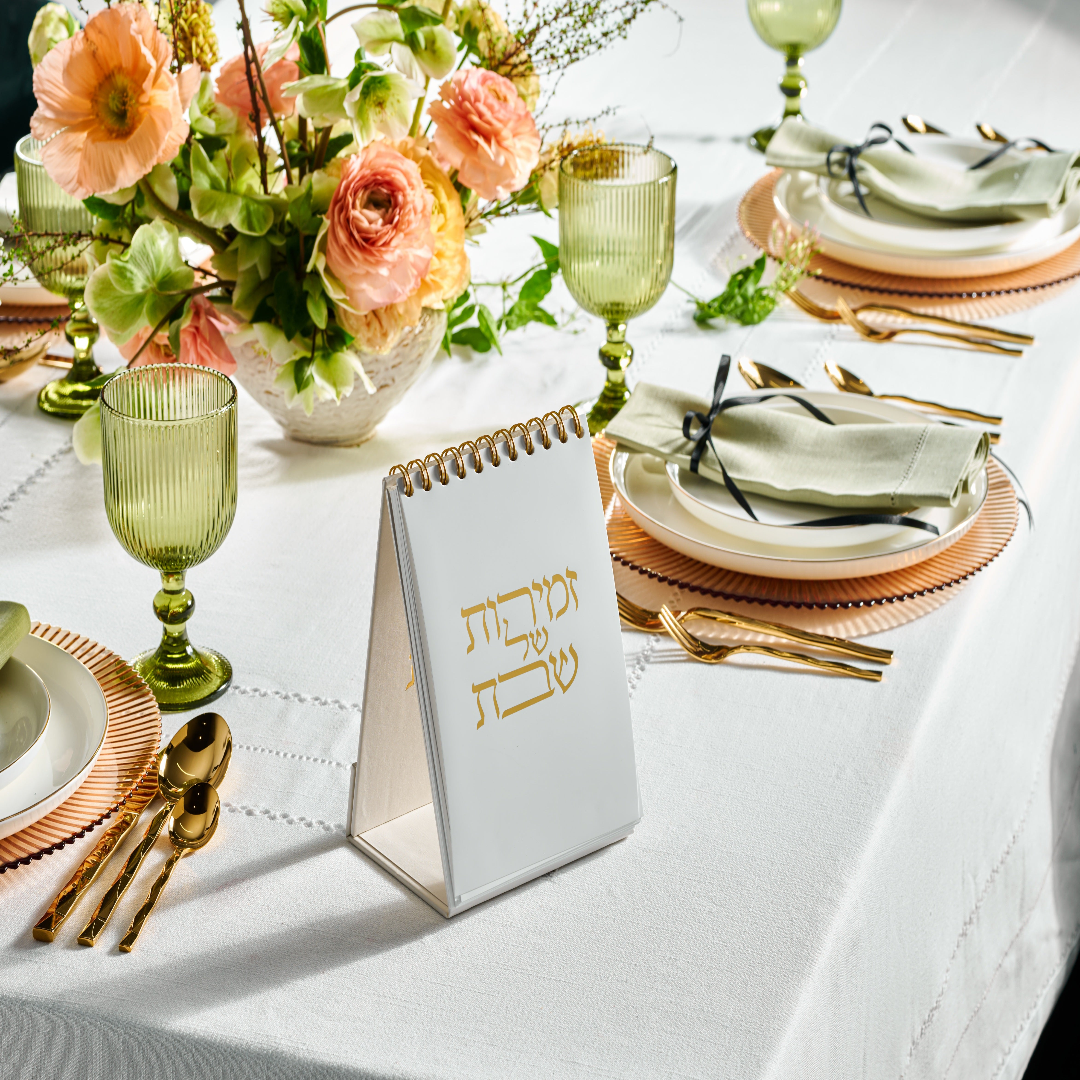
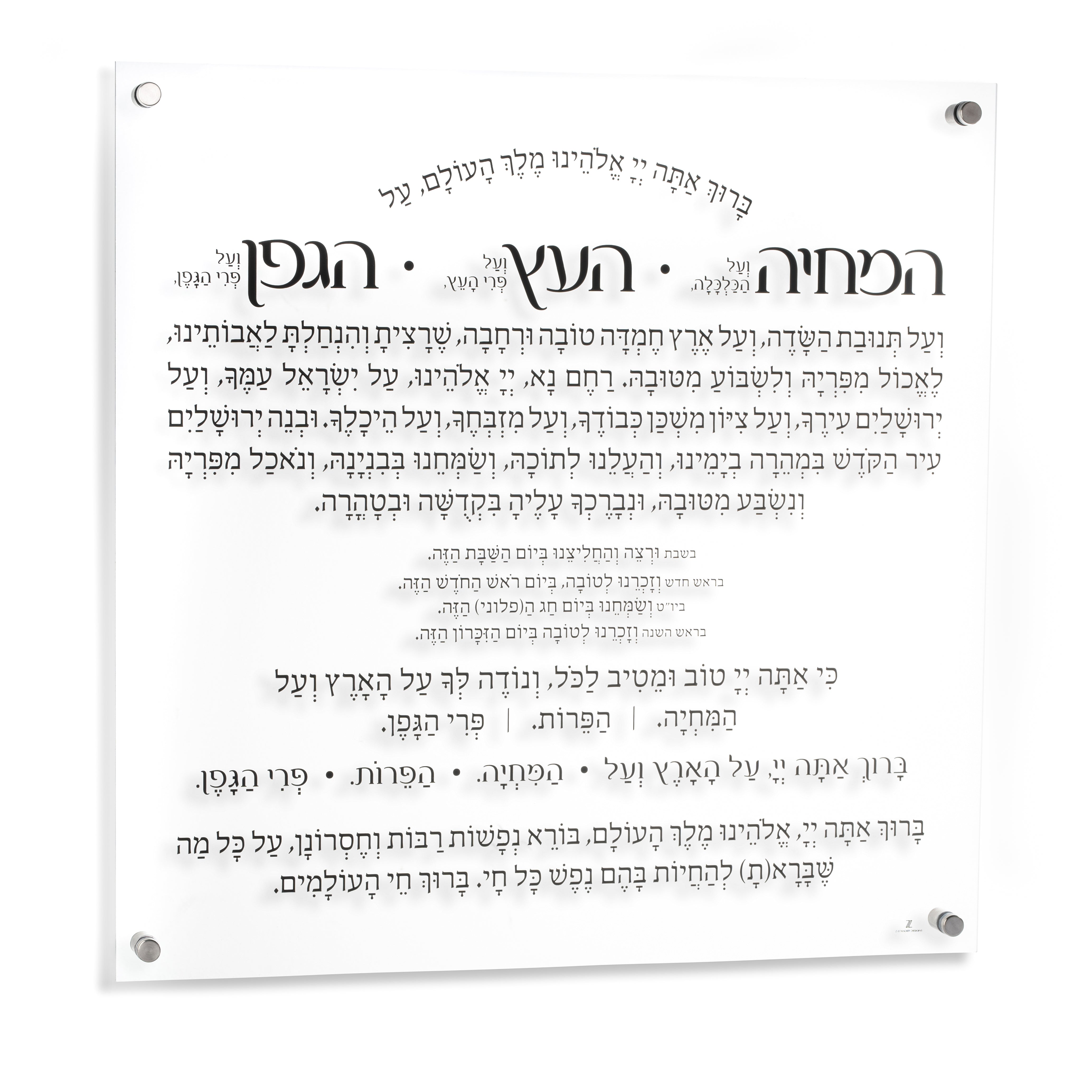
Some families want a wall sign they can see from around the room. Others want a small tabletop option that stays near the table where the bracha gets said most. Both solve the same issue. Less searching. Less guessing. More regular use.
Which ZStander option fits best?
If you want the text visible in a dining room, breakfast nook, kitchen eating area, or sukkah, the Al Hamichya wall sign is the cleanest answer. It keeps the text easy to read and does not take up table space.
If the bracha is mostly used at one table and you want something smaller, the tabletop Al Hamichya stand makes more sense.
And if you want one main plaque that covers both bread meals and mezonos after-brachos, the combined Birchas Hamazon with Al Hamichya plaque is the stronger fit.
Final takeaway
If the food was mezonos and the meal did not become bread, Al Hamichya is usually the bracha you are looking for. If the meal included bread, go to Birchas Hamazon instead. And if the real issue is that nobody can find the text when they need it, keep it visible and be done with the scavenger hunt.