


Why Do We Dip an Apple in Honey on Rosh Hashanah? The Meaning Behind the Simanim
Why Do We Dip an Apple in Honey on Rosh Hashanah?
Few Rosh Hashanah traditions are as recognizable as dipping a crisp apple into sweet honey. Whether you're celebrating with family, hosting guests, or setting a beautifully set Yom Tov table, this custom has become one of the most beloved symbols of the Jewish New Year.
But why do we dip an apple in honey? And what about all the other foods - known as simanim - that appear on the Rosh Hashanah table?
The answer lies in a beautiful Jewish tradition of beginning the year with blessings, hope, and meaningful symbolism.

What Are Simanim?
The word simanim means "signs" or "symbols." On the first night of Rosh Hashanah, many families eat specific foods while reciting short prayers asking Hashem for a year filled with blessing, success, health, and peace.
The custom is based on the idea that the start of the year sets the tone for what follows. By eating foods associated with positive messages, we express our hopes and prayers for the coming year.
Why Do We Dip an Apple in Honey?
The apple dipped in honey is perhaps the most famous Rosh Hashanah custom.
Before eating it, many recite:
"May it be Your will, Hashem our G-d and G-d of our fathers, that You renew for us a good and sweet year."
Why Honey?
Honey naturally symbolizes sweetness. By eating honey at the beginning of the year, we pray that the coming months will be filled with sweetness, happiness, prosperity, and blessing.
Why an Apple?
Several explanations are offered:
- Apples have long been associated with beauty and abundance.
- In Jewish tradition, the apple is connected with concepts of love and spiritual closeness.
- The apple's pleasant taste and fragrance make it a fitting symbol for a year filled with goodness.
Together, the apple and honey create one of the most powerful and memorable symbols of Rosh Hashanah.

Common Rosh Hashanah Simanim and Their Meanings
Different communities have slightly different customs, but these are some of the most common simanim found on Rosh Hashanah tables around the world.
Pomegranate
Many eat a pomegranate while praying:
"May our merits be as numerous as the seeds of the pomegranate."
With its hundreds of seeds, the pomegranate symbolizes abundance, mitzvos, and spiritual growth.

Dates
The Hebrew word for date (tamar) is linked to a prayer that enemies and obstacles come to an end.
Dates remind us to leave behind challenges and begin the year with renewed strength.
Black-Eyed Peas or Beans
Many Sephardic communities eat beans while praying for increased merits and blessings throughout the year.
Leek
The Hebrew name for leek is associated with the idea that negativity and harmful influences should be removed from our lives.
Beets
Beets symbolize the hope that difficulties and judgments be removed.
Fish Head
A fish head is often eaten with the prayer:
"May we be the head and not the tail."
This symbolizes leadership, growth, and moving forward with purpose.
Carrots
In some Ashkenazi communities, carrots symbolize increased blessings and prosperity.
Their abundance and growth make them a fitting Rosh Hashanah symbol.
Why Simanim Matter Today
The simanim are much more than symbolic foods.
They transform an ordinary meal into a meaningful experience. Each food becomes an opportunity to pause, reflect, and think about the year ahead.
In a world filled with distractions, the Rosh Hashanah table reminds us to focus on gratitude, family, faith, and hope.
Whether you're serving a traditional apple and honey dish, a pomegranate platter, or a complete simanim presentation, these customs help create memories that are passed from generation to generation.
Creating a Beautiful Simanim Table
Many families enjoy presenting their simanim in a way that highlights the beauty of the holiday.
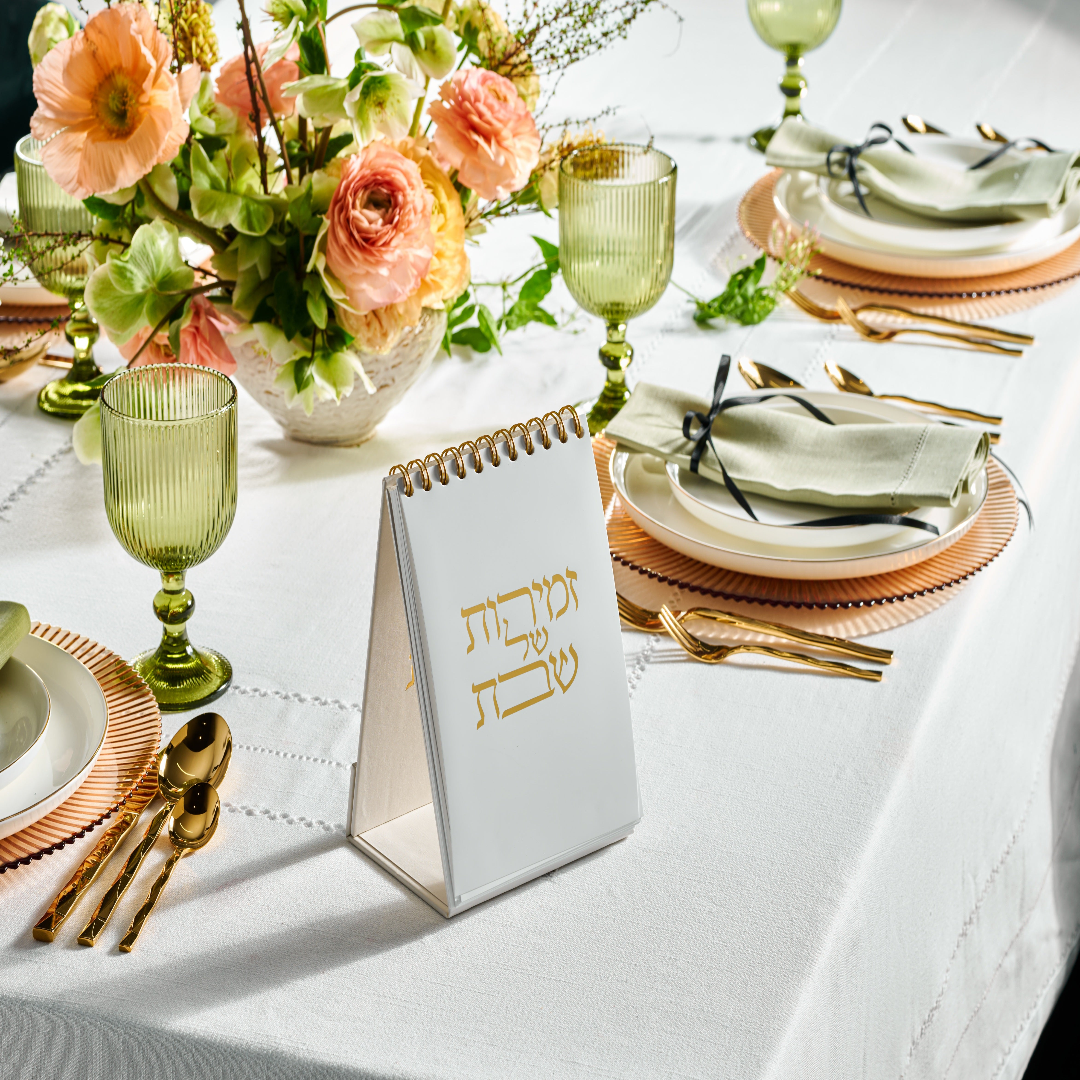
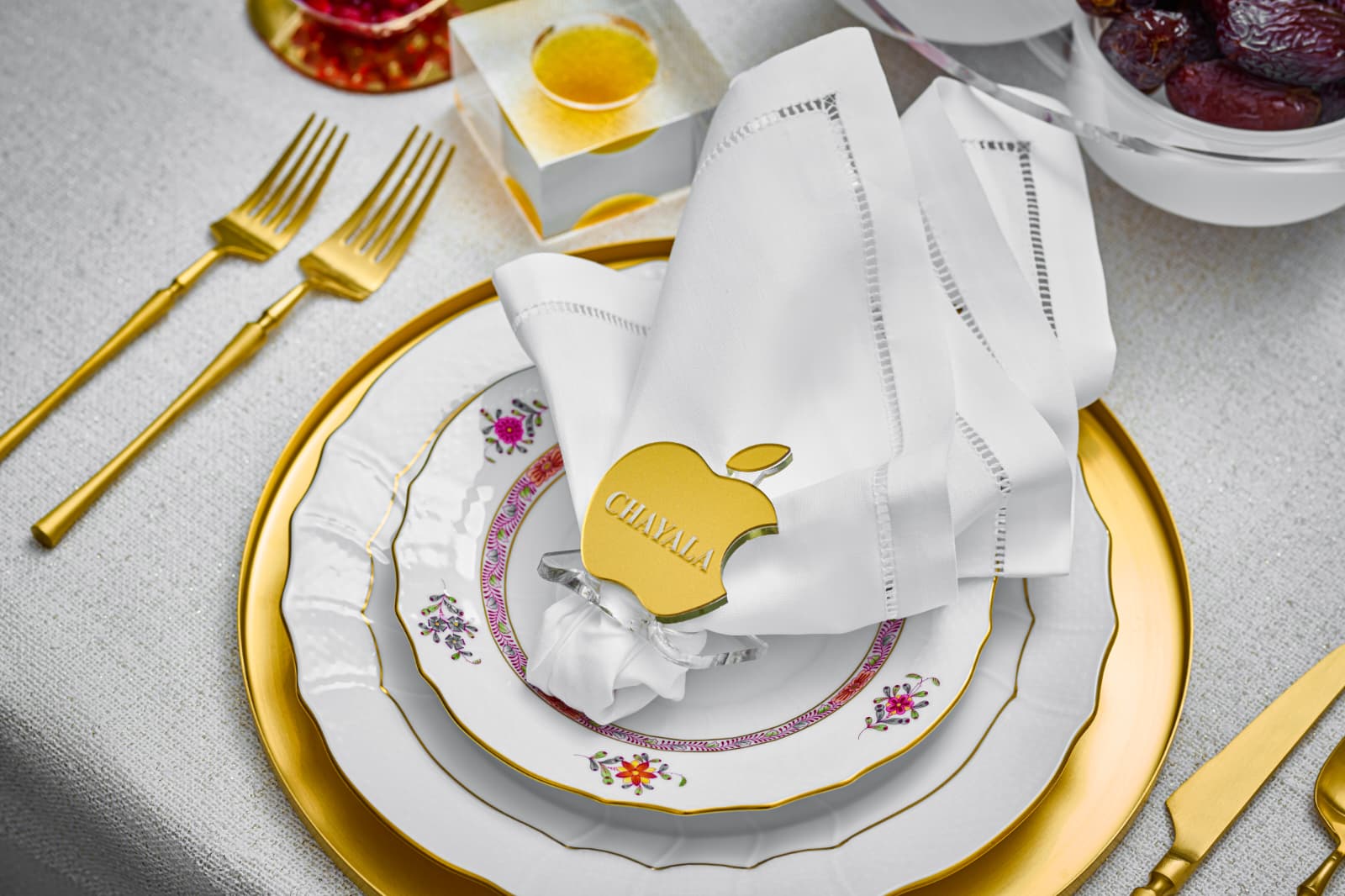
Dedicated simanim cards, serving trays, honey dishes, and personalized table accessories help guests understand the meaning behind each custom while adding elegance to the Yom Tov table.
A thoughtfully prepared table not only enhances the meal but also encourages conversation about the traditions that make Rosh Hashanah so meaningful.
Frequently Asked Questions
What does apple and honey symbolize on Rosh Hashanah?
Apple and honey symbolize our prayer for a sweet, happy, and successful New Year filled with blessing.
When do you eat apple and honey on Rosh Hashanah?
The custom is generally observed on the first night of Rosh Hashanah after Kiddush and Hamotzi.
What are simanim?
Simanim are symbolic foods eaten on Rosh Hashanah along with special prayers expressing hopes for the coming year.
Do all Jewish communities eat the same simanim?
No. Ashkenazi, Sephardic, and other Jewish communities have varying customs, though many simanim share similar themes of blessing, abundance, and success.
Why is the pomegranate important on Rosh Hashanah?
The pomegranate symbolizes abundance and the hope that our merits will increase throughout the year.
What is the prayer for apple and honey?
A common prayer is:
"May it be Your will that You renew for us a good and sweet year."
A Sweet Beginning to the New Year
The apple and honey may be simple foods, but they carry a powerful message. Alongside the other simanim, they remind us that Rosh Hashanah is a time to look ahead with optimism, gratitude, and faith.
As families gather around the table, each symbol becomes a prayer for sweetness, blessing, growth, and peace in the year to come.